Play Seahaven Towers Solitaire
Ten towers, same-suit runs and Kings-only gaps - a true planning marathon.Getting to know Seahaven Towers
In a nutshell: Ten towers, same-suit runs and Kings-only gaps - a true planning marathon. You play with 1 deck (52 cards), it's rated expert, and about 90% winnable, but demanding.
Seahaven Towers spreads the whole deck wide and asks you to think three steps ahead on every move. Fifty cards are dealt face up into ten columns of five - the towers - and the last two cards go into two of the four free cells, so you start with two cells filled and two open. You build the tableau downward in the same suit, sending cards up to four foundations by suit from Ace to King, and only a King may move into an empty column. Most deals can technically be solved - roughly nine in ten - yet the game earns its expert label because the same-suit rule and the Kings-only gaps punish loose play mercilessly. With only two spare cells and ten piles to manage, you must plan long chains of moves in advance. Seahaven Towers is where careful FreeCell players go to prove they can handle the family's most planning-heavy layout.
Seahaven by the numbers
| Goal | You win by completing all four foundations, each suit stacked from Ace up to King, until every tower is cleared. The objective is standard for the family, but with ten columns and only two starting cells, reaching it takes serious foresight. |
|---|---|
| Decks used | 1 standard 52-card deck - 52 cards in play |
| Difficulty | Expert |
| Chance of winning | About 90% winnable, but demanding |
| Family | Suit Builders |
How a game of Seahaven plays out
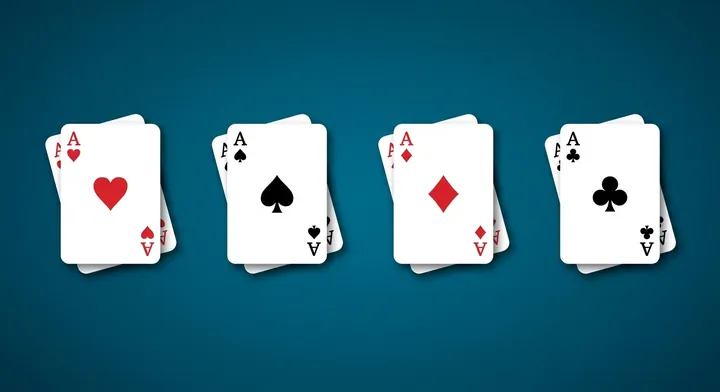
The finish line
You win by completing all four foundations, each suit stacked from Ace up to King, until every tower is cleared. The objective is standard for the family, but with ten columns and only two starting cells, reaching it takes serious foresight.
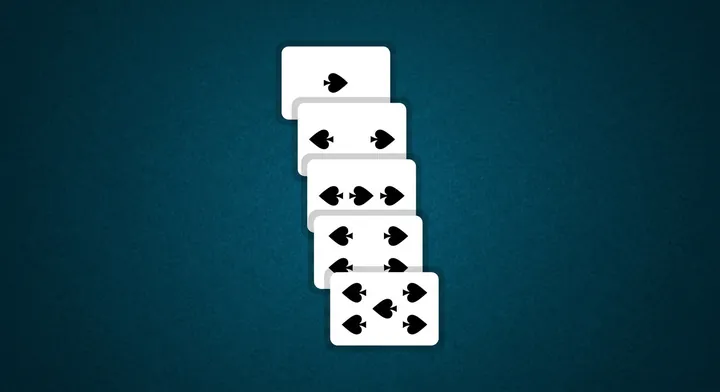
Ten towers, one suit
The cards form ten columns of five, and you build each tableau sequence downward in the same suit. A seven of hearts accepts only the six of hearts, so keeping every suit's cards reachable across ten piles is the core challenge.
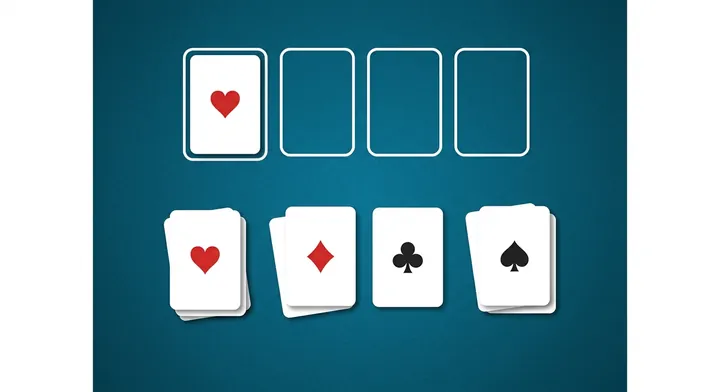
Two towers, two cells
There are four free cells, but two of them start filled with the deck's last two cards, leaving you just two open. That thin margin of spare parking is why Seahaven demands such careful, deliberate play from the very first move.

Relaying a suited chain
An ordered same-suit run can move as a supermove, sized by your open cells and empty columns. With only two cells free at the start, early runs are short, so freeing cells and opening a tower are the keys to moving bigger chains.
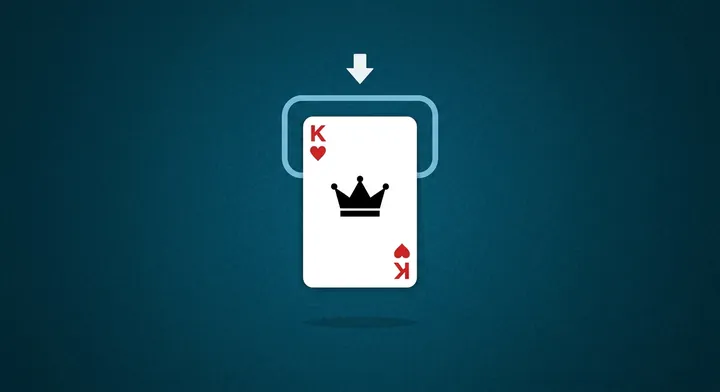
Only Kings fill a tower
When a column is emptied, only a King may be placed into it. Empty towers are therefore both scarce and valuable, and you should aim to have a King ready to claim one, because a gap you cannot fill offers little help across such a wide board.
Where Seahaven comes from
Seahaven Towers was created by Art Cabral and became widely known as a polished, challenging entry among computer patience games, especially on early Macintosh systems where it gained a devoted following. Its distinctive wide layout - ten tall towers rather than the family's usual eight columns - gave it an immediately recognizable look and a reputation for demanding, thoughtful play.
The design deliberately combines several of the family's harder ideas. Same-suit building, borrowed from the older Baker's Game tradition, restricts your moves; reserving empty columns for Kings makes gaps hard to open and use; and dealing the last two cards straight into the cells leaves you with only two spare from the start. Each rule alone is manageable, but together they create a game that rewards patience and punishes haste.
Despite that difficulty, careful analysis has shown that the large majority of Seahaven deals are solvable, which is part of the game's enduring appeal. It offers the satisfaction of a puzzle that almost always has an answer, if only you can find it. For players who have mastered FreeCell and want a sterner same-suit test, Seahaven Towers has stood for decades as one of the family's definitive challenges.
Winning at Seahaven
💡 Top tip: Plan long sequences before you move - with only two open cells and ten columns, a move made without a follow-up plan is the fastest way to strand a suit you cannot recover.
Tips that move the needle
- Protect your two free cells fiercely. In Seahaven they are your only everyday maneuvering room, so never park a card without knowing exactly how it returns to play.
- Free the Aces and twos as a first priority. Getting foundations started across the wide board removes blockers early, before the same-suit rule makes them hard to move.
- Since only Kings fill empty towers, treat your Kings as prized keys. Time your column-clearing so a King is ready, or the hard-won empty tower will sit useless.
- Empty the two starting cells when a good same-suit home appears. Reclaiming that parking is often the move that unlocks the rest of the deal.
- Assemble same-suit runs patiently, then use an opened tower and freed cells to move them as a group. Big supermoves are precious on a board this large.
- Because most deals are winnable, treat a loss as a puzzle to re-solve. Undo to the moment your suited options narrowed, and look for the earlier move that used a cell or a King poorly.
Sharper play for Seahaven
- Plan in chains, not moves. Before touching a card, sketch a sequence of five or six moves that ends with a cell freed or a King placed, because on a two-cell board isolated moves rarely lead anywhere good.
- Ration your two cells like scarce fuel. Reserve at least one for genuine emergencies in the midgame, since a single open cell is often all that stands between a recoverable position and a hard lock.
- Coordinate Kings with tower-clearing from the opening. Note where every King sits and aim to empty a column exactly when a King can claim it, so no vacancy across your ten towers goes to waste.
- Keep all four suits advancing so no low card gets stranded. On such a wide same-suit board, a buried two or three can quietly doom a suit, so prioritize freeing the deepest low cards early.
- Build suited runs on the towers in advance of needing them. A ready-made same-suit chain lets you use a freed cell and an open tower to move a group, which is far more efficient than relaying cards one by one.
- Watch how each move affects your future supermove capacity. Filling a cell or a tower now shrinks the runs you can move later, so weigh every commitment against the larger chains you will need in the endgame.
- When a deal stalls, retrace to where a suit first became unreachable. In Seahaven the decisive error is usually an earlier move that buried a low card or spent the King you needed for your last empty tower.
Slip-ups to sidestep
- Forgetting only Kings fill an empty tower - clear toward a King or the space sits useless.
- Ignoring the two open cells - with same-suit building they are precious, so spend them to unblock, not to stash.
- Splitting a suit across many towers - keep same-suit runs together so they can climb to the foundation.
- Reading only one tower at a time - with ten towers you must plan across the whole board before committing.
Cousins of Seahaven
Eight Off
A gentler same-suit game with eight cells and eight columns, sharing the Kings-only rule but giving far more parking, so it forgives the mistakes Seahaven punishes.
Baker's Game
The same-suit ancestor on the standard eight-column board with four cells and any card allowed into empty columns, a different flavor of the same building rule.
FreeCell
The alternating-color classic with four empty cells and any-card gaps, offering the freedom Seahaven withholds and a much gentler learning curve.
ForeCell
Another Kings-only game that starts with cells filled, but builds in alternating colors on eight columns rather than same-suit on ten towers.
Double FreeCell
A two-deck game that, like Seahaven, spreads cards over ten columns, though it uses alternating colors, six cells, and any-card empty columns.
Your Seahaven questions answered
How is Seahaven Towers laid out?
Fifty cards are dealt into ten columns of five, and the final two cards go into two of the four free cells. So you begin with ten towers on the table, two filled cells, and two open cells to work with.
How does the tableau build?
Downward in the same suit. A card only lands on the next-higher card of its own suit, the same strict rule used in Baker's Game and Eight Off, which makes reachable landing spots scarce.
What can go into an empty column?
Only a King. Like ForeCell and Eight Off, Seahaven reserves empty columns for Kings, so you cannot freely park any card in a gap. That makes empty towers valuable and a little tricky to use.
Who designed Seahaven Towers?
It was designed by Art Cabral. His layout - ten towers with a pair of cells filled at the deal - gives the game its distinctive wide, planning-heavy feel that sets it apart from four-column FreeCell.
If most deals are winnable, why is it so hard?
Winnable does not mean easy. With only two open cells, ten columns, same-suit building, and Kings-only gaps, one careless move can lose a solvable deal. The difficulty is in finding the line, not in luck.
Why only two open cells at the start?
The deck's last two cards are dealt directly into two of the four cells. That thin starting margin is central to Seahaven's design and forces the deliberate, several-moves-ahead planning the game is known for.
How do I make bigger supermoves?
Free your cells and open a tower. Supermove size grows with open cells and empty columns, so from a two-cell start your runs are short until you reclaim parking or clear a column for a King.
Is Seahaven harder than FreeCell?
For most players, yes. FreeCell's alternating colors and four empty cells give far more freedom. Seahaven's same-suit rule, ten columns, and two-cell start make it one of the more demanding games in the family.
Should I clear a tower early?
Only if you have a King to fill it or a clear plan for the space. An empty tower is powerful, but with the Kings-only rule an unusable gap wastes the effort it took to clear.
How do the foundations work?
Each of the four foundations is a single suit built up from Ace to King, just like the rest of the family. Clearing all fifty-two cards onto them wins the game.
What is the biggest beginner mistake?
Filling both open cells with no plan to empty them. In Seahaven that leaves you with almost no room to maneuver across ten columns, and the same-suit rule makes it very hard to recover.
How long does a game usually take?
Longer than four-column FreeCell because of all the planning. A careful game can run well past the few minutes a FreeCell deal takes, since you often think ahead before committing to a chain of moves.
Keep exploring FreeCell
- The full FreeCell rules hub - every variant, side by side.
- The FreeCell glossary - look up terms like free cell, supermove and expert.
- The FreeCell FAQ - answers to the questions players ask most.
- Today's daily challenge - one shared deal, one shot, everyone's on the same board.
Ready to try something different? Compare Seahaven with every other game in the FreeCell rules hub, or jump straight into the full list of FreeCell games.
Last updated .