Play Relaxed FreeCell
The friendly FreeCell - move whole runs freely and drop any card into a gap.Getting to know Relaxed FreeCell
In a nutshell: The friendly FreeCell - move whole runs freely and drop any card into a gap. You play with 1 deck (52 cards), it's rated beginner-friendly, and almost every deal is winnable.
Relaxed FreeCell is FreeCell with the training wheels left on, and it is the perfect place to start if the classic version feels intimidating. The board is identical: the full deck deals face up into eight columns, four free cells sit above, you build the tableau down in alternating colors, and you fill four foundations up by suit from Ace to King. What changes is how kindly the rules treat you. You may lift and drop a whole ordered run in one smooth gesture without sweating the strict cell-and-column math that limits supermoves in standard play, and any card at all can slide into an empty column. Those two allowances remove the most common ways beginners get stuck, so deals flow easily and satisfying wins come often. It is a gentle, confidence-building on-ramp that still teaches the core FreeCell instincts you will carry everywhere else.
Relaxed FreeCell by the numbers
| Goal | You are trying to build all four foundations from Ace up to King, one suit each, until the whole deck is stacked and the board is clear. The objective is exactly the same as classic FreeCell - only the path there is smoother. |
|---|---|
| Decks used | 1 standard 52-card deck - 52 cards in play |
| Difficulty | Beginner-friendly |
| Chance of winning | Almost every deal is winnable |
| Family | Classic FreeCell |
How a game of Relaxed FreeCell plays out
Aim of the game
You are trying to build all four foundations from Ace up to King, one suit each, until the whole deck is stacked and the board is clear. The objective is exactly the same as classic FreeCell - only the path there is smoother.
Reading the eight columns
All 52 cards are dealt face up across eight columns. You build downward in alternating colors, red on black and black on red. With nothing hidden, take a moment to read the layout and picture where the low cards you need are buried.
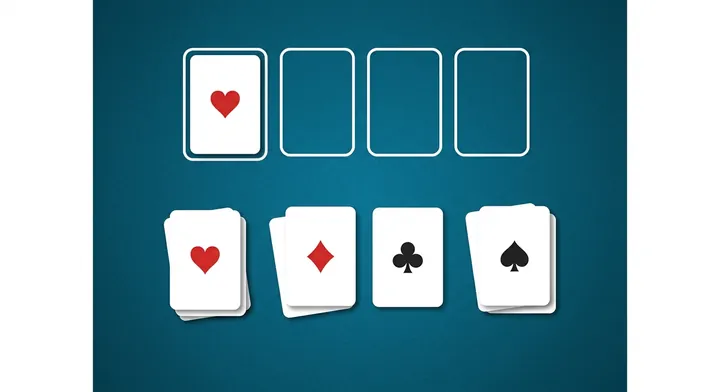
Your four cells
The four free cells each hold one card and act as temporary parking while you rearrange the tableau. Use them to lift a blocker out of the way, but try to send parked cards back into play soon so your cells stay available.

Generous supermoves
Here is the relaxed part: you can move an entire ordered run in one action without the tight cell-count limit that classic FreeCell enforces. That freedom lets you reorganize big groups quickly and keeps beginners from getting boxed in by the math.
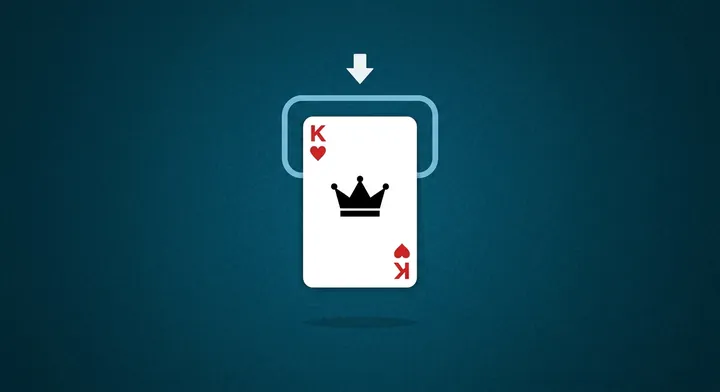
Any card to a gap
When you empty a column, any card - not just a King - can fill it. This makes empty columns easy, flexible workspaces where you can park sequences and untangle the board, one of the biggest reasons this version feels so forgiving.
Where Relaxed FreeCell comes from
Relaxed FreeCell is a modern, player-friendly take that grew alongside the huge online audience for the classic game. As FreeCell spread from office desktops to phones and browsers, designers noticed that newcomers often bounced off the strict supermove limit and the frustration of a blocked board. A gentler ruleset was an obvious way to welcome those players in without changing the game they came to love.
The relaxations chosen are deliberate and minimal. Letting an ordered run move as a whole removes the invisible resource math that trips up beginners, while allowing any card into an empty column takes away the most common dead end. Neither change touches the heart of FreeCell - the alternating-color tableau and the Ace-to-King foundations remain exactly as they always were.
Because of that careful balance, Relaxed FreeCell has become a favorite starting point on casual game sites and a comfortable option for players who simply want a low-stress session. It sits at the friendly end of the FreeCell family, proving that the game's timeless appeal survives happily even when the rules give you a helping hand.
Winning at Relaxed FreeCell
💡 Top tip: Lean on the relaxed supermove rule to reorganize freely, but still think before you move a big run - the goal is to uncover Aces and low cards, not just to shuffle the board around.
Tips that move the needle
- Free your Aces and twos as early as you can. Even in a forgiving game, getting the foundations started is what opens up the columns and keeps your options wide.
- Use empty columns as roomy workspaces. Because any card can fill them here, you can temporarily park a sequence, dig out a buried card, and then rebuild - a trick that is much harder in strict FreeCell.
- Try not to leave every free cell full. Even with generous rules, cells packed with cards you cannot place will slow you down, so return parked cards to the tableau when they fit.
- Look for the most tangled column and start there. Clearing a stubborn pile early, while you still have plenty of room, makes the rest of the deal fall into place.
- Do not send every low card up the moment it is available. Keeping a two or three in play gives you a landing spot for higher cards of the other color, just like in classic FreeCell.
- Treat this version as practice for the real thing. The instincts you build here - freeing Aces, guarding space, planning ahead - transfer directly to standard FreeCell and every stricter variant.
Sharper play for Relaxed FreeCell
- Even with free supermoves, plan the destination of a run before you lift it. The relaxed rule lets you move groups, but moving them to the wrong column still buries the cards you actually need.
- Exploit any-card empty columns as scratch space. Park an out-of-order pile there temporarily, extract the buried low card, then rebuild the pile onto a proper landing spot - a maneuver that would be illegal in strict play.
- Keep pushing all four suits up together. The forgiving rules can tempt you to leave cards lying around, but balanced foundations still prevent the awkward late-game shortage of a single needed low card.
- Use the extra freedom to experiment with move order. Because dead ends are rare, you can try a bold reorganization, and if it does not pay off, undo and take the safer line - a great way to build intuition.
- Do not let generous rules make you lazy about cells. Returning parked cards to the tableau promptly keeps your options open and makes the final few moves of a deal far less fiddly.
- When practicing for stricter variants, occasionally solve a Relaxed deal as if the standard supermove cap applied. It trains the resource-counting habit while the safety net is still there if you slip.
- Read empty columns as multipliers for your thinking, not just for moves. Even here, a well-managed empty column is where you win the hardest deals, so open one early and use it as your planning hub.
Slip-ups to sidestep
- Treating relaxed rules as an excuse not to plan - generous moves still dead-end if you bury a key low card.
- Hoarding cards in the cells - even with easy supermoves, a full set of cells quietly cuts your options.
- Forgetting that any card fills a gap - use empty columns freely to park awkward cards, not just Kings.
- Foundationing everything on sight - hold mid cards back while a column still needs them.
Cousins of Relaxed FreeCell
FreeCell
The strict classic, where supermoves are capped by your cells and empty columns and every card counts - the natural next step once Relaxed FreeCell feels easy.
ForeCell
A far tighter relative with the cells full at the start and only Kings allowed into empty columns, sitting at the opposite end of the difficulty scale.
Eight Off
A calmer same-suit game with eight free cells that shares Relaxed FreeCell's forgiving mood while asking you to build by suit rather than color.
Baker's Game
The same familiar board but building down in one suit, a good challenge for players ready to leave the relaxed rules behind.
Challenge FreeCell
The complete opposite of relaxed - just one or two free cells - for when you want to test how far your growing skills can stretch.
Your Relaxed FreeCell questions answered
What makes Relaxed FreeCell easier?
Two rule relaxations: you can move a full ordered run in one gesture without the strict supermove limit, and any card may fill an empty column. Together they remove the situations where beginners most often get stuck.
Is the board different from FreeCell?
No. The layout is identical - eight columns dealt face up, four free cells, alternating-color building, and four foundations by suit. Only the movement rules are more forgiving, so everything you learn here applies to the classic game.
Can I really move any run at once?
Yes. In this version an ordered, alternating-color run can be picked up and dropped as a whole without counting cells and empty columns. It behaves as if you always have enough room to carry the sequence.
Are almost all deals winnable?
They are. Because the rules give you so much extra freedom, the vast majority of deals can be solved, even more reliably than standard FreeCell. It is hard to reach a truly dead position.
Is this a good version for kids?
It is one of the friendliest ways to learn. The forgiving supermoves and any-card empty columns mean fewer frustrating dead ends, so younger or newer players can enjoy steady wins while they pick up the basics.
Will I still learn real FreeCell skills?
Absolutely. Freeing Aces, planning ahead, protecting space, and building tidy runs all matter here. When you move up to strict FreeCell, those habits carry over and only the movement limits get tighter.
How is this different from the standard supermove rule?
Standard FreeCell caps a supermove at (free cells + 1), doubled per empty column. Relaxed FreeCell lifts that cap for ordered runs, so you are not blocked from moving a group just because your cells happen to be full.
Should I still keep free cells open?
It is a good habit even when the game forgives you. Open cells give you room to lift blockers, and keeping them tidy makes complex endgames smoother, so do not treat the cells as a permanent parking lot.
Do I win the same way as FreeCell?
Yes. Move all 52 cards to the foundations, each built up by suit from Ace to King. The victory condition is identical; the relaxed rules just make reaching it more comfortable.
Can I get stuck at all?
It is possible but rare. With free supermoves and any-card empty columns, most tangles can be undone. If you do stall, undo a few moves and look for an Ace or low card you overlooked.
Why practice here before classic FreeCell?
Relaxed FreeCell lets you focus on reading the board and planning without the added pressure of resource math. Once that thinking feels natural, adding the strict supermove limit is a small, manageable step up.
Does relaxed mean no skill is needed?
Not at all. You still have to plan, free your Aces, and manage your space to win the trickier deals. The rules simply forgive small mistakes, so skill is rewarded without every slip ending the game.
Keep exploring FreeCell
- The full FreeCell rules hub - every variant, side by side.
- The FreeCell glossary - look up terms like free cell, supermove and beginner-friendly.
- The FreeCell FAQ - answers to the questions players ask most.
- Today's daily challenge - one shared deal, one shot, everyone's on the same board.
Ready to try something different? Compare Relaxed FreeCell with every other game in the FreeCell rules hub, or jump straight into the full list of FreeCell games.
Last updated .